Protecting Your Peace
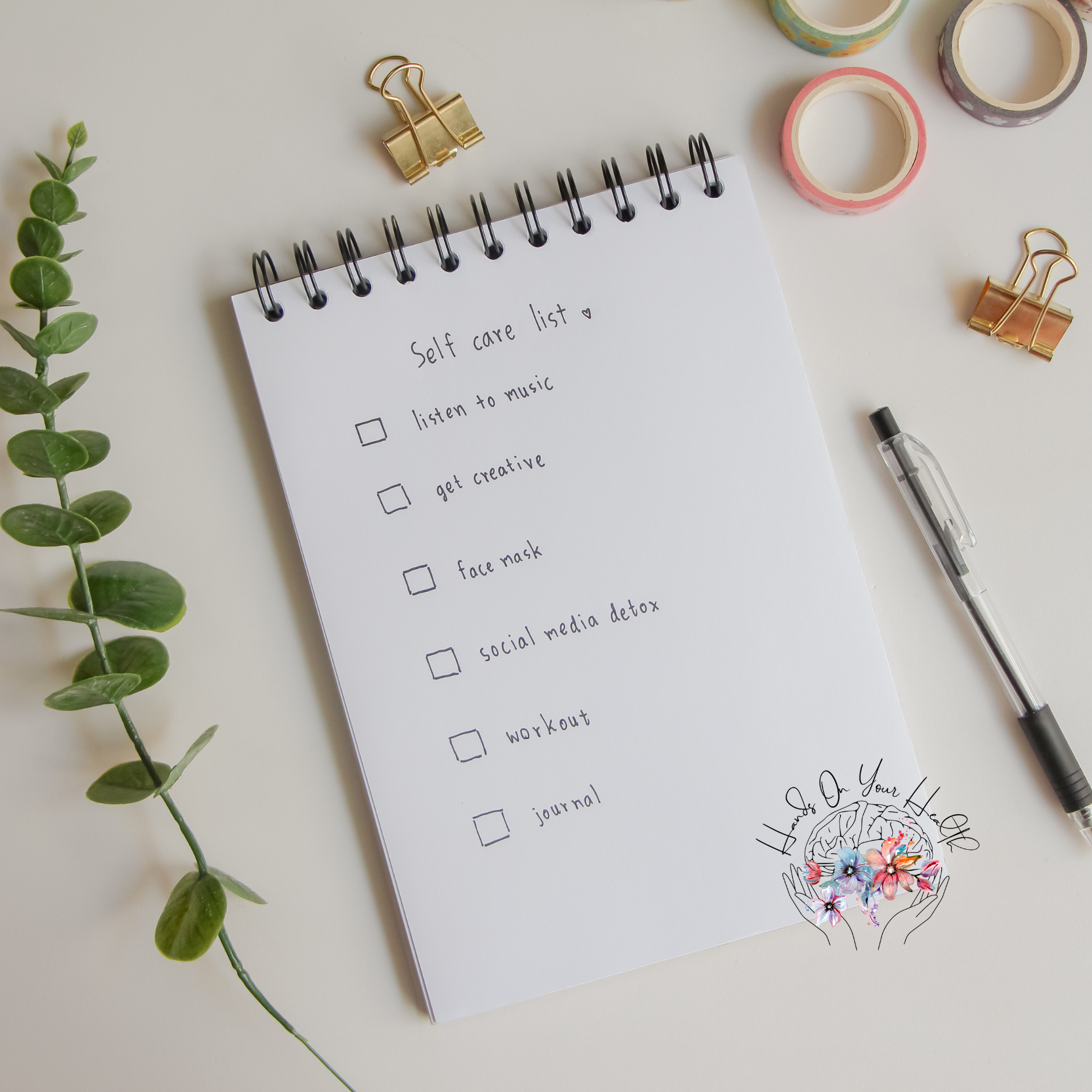
Being a teen in 2026 can frequently feel vulnerable, chaotic, and out of control. What can you control? It may include how much you hydrate, what you choose to consume on social media, who you have relationships with, or even the color of your hair or nails. In a world when lots of things impact how we do and don’t feel about ourselves, “Protecting your Peace” has become a significant and even trendy coping mechanism. The idea of Protecting your Peace has reemerged as self-care, self-preservation, and also self-defense. Many teenagers have access to social media and technology 24/7. This accessibility is often a gateway to new thoughts, music, the latest fashion trends, and even mental health care buzzwords. Social media can often normalize big feelings, such as toxic relationships. Anxiety or Attention Deficit Disorder. It can provide a comfortable space to explore emotions and even provides a platform to remove stigma associated with mental health. Unfortunately, with the highs, there are also the risks of many lows. Social media also has the power to enable isolation and loneliness, which can increase worry, sleep disturbance, as well as other potentially dangerous symptoms. Social media should never replace mental health professionals such as a licensed clinician, school counselor, or Social Worker. Learning HOW to set boundaries is as important as understanding WHY they need to be set. This is the way we learn what our personal limits are. We can be accountable to ourselves and others and still maintain our boundaries rather than use them as excuses. Boundaries are set to help keep us both emotionally and physically safe. It is ok for your personal boundaries to evolve, change, and grow/mature as you do. It’s ok to ask yourself why we don’t want to do things or engage in certain relationships. Check in with yourself? Am I protecting my peace? Am I making excuses? Am I hurting someone else? Using the HALT model can be helpful in exploring boundaries. Am I hungry, angry, lonely, or tired? What behavior or actions can I shift in order to be sure I’m not going too far out of bounds? Self-care can also include caring for others. Healthy self-care practices include nurturing yourself and your relationships. In the name of self-care, it’s important to remain as compassionate and empathetic to others as we are to ourselves. Modeling healthy boundaries in your relationships will help you weed out toxicity and grow into the ones that are important to flourish. Your peace might look very different from your bestie’s, and that is totally ok! Sometimes we have to have hard conversations, but those are the ones that teach us resilience, patience, and love for ourselves and our friends, romantic partners, and family. Frequently, I ask my teen clients, if they were a plant, what would their care instructions be? Plenty of sleep? Exercise? Quality time with friends? Being outside? The sky is the limit.
These ABC’s are an easy tool to help teens (and adults) practice “Protecting your Peace”. A - Advocate! Use your voice, be ok with saying no. Make yourself and the people you care about a priority. B - Breathe! Am I ok? Are they ok? Do I need a minute? What do I need in this moment to feel safe? C - Communicate! Practice expressing your needs confidently.
Hands On Your Health Blog